
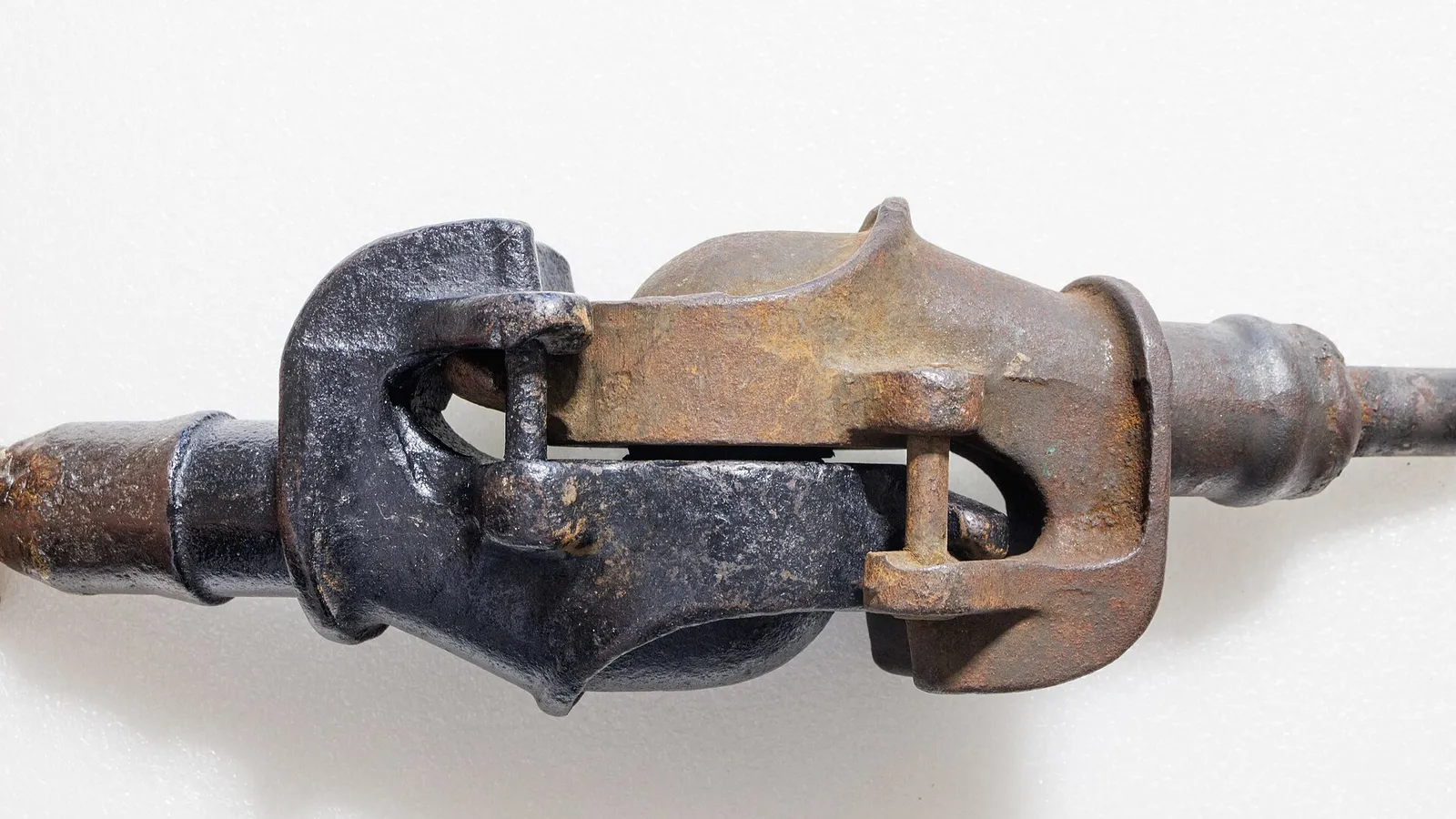
A hose assembly is a pressure vessel in miniature — and like any pressure vessel, it is only as safe as its weakest joint. In practice that joint is the fitting, which is why factory crimping and testing matter.
Why Crimp, Not Just Push On
Push-on and clamp fittings work at low pressure. Above that, the fitting must be mechanically locked to the hose — the crimp compresses the ferrule into the hose reinforcement so the two become one. A correct crimp holds at the hose’s full rating; a bad crimp fails at a fraction of it.
The Factory Advantage
Factory crimping uses calibrated machines with documented settings per hose/fitting combination, controlled skiving (removal of the cover where required), and trained operators. Field crimping with a hand tool and a guess is how assemblies fail. There is no substitute for the controlled process.
Fitting Types
- JIC / BSP / NPT — threaded hydraulic ends
- Flange — SAE flange ends for large bores and high pressure
- Tri-clamp — sanitary connections for food and pharma
- Barb / hose tail — push-on low-pressure ends
- Camlock — fast connect/disconnect for transfer lines
What the Test Certificate Proves
Every assembly we ship is pressure tested to 100% of working pressure. The certificate records the test pressure, the date, the operator and the hose/fitting spec — traceability that protects you in an audit and in the field.
When to Specify Assemblies
- Safety-critical lines (hydraulic, steam, chemical)
- Food and pharma lines where traceability is audited
- Any line where a field failure means downtime
See our hose assemblies or send your duty for a build-and-test quote.