
Suction and discharge hoses look similar but are engineered differently: suction hose resists collapse under vacuum, discharge hose resists burst under pressure. Many duties need both in one hose — the construction decides whether it survives.
Layflat: Light and Cheap
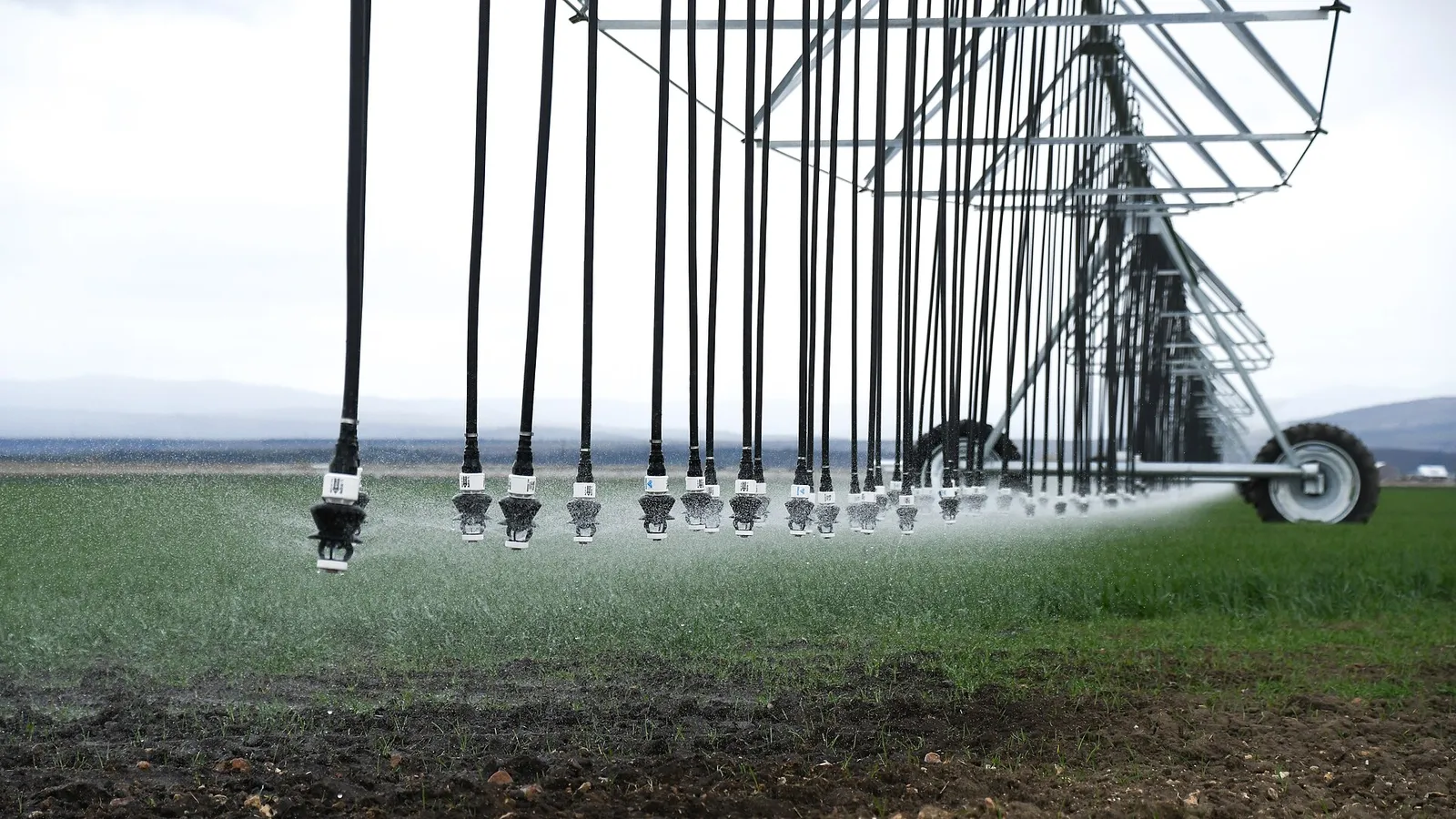
Layflat discharge hose is the budget workhorse: light, collapsible, flat-packing, perfect for irrigation, dewatering and temporary lines. Working pressures typically 4-8 bar. Not for vacuum, not for abrasives — the walls are too thin.
Wire-Reinforced: the Vacuum Answer
A PVC or rubber tube with an embedded helix wire holds the bore open under vacuum — the standard for pump suction lines, tanker loading and general industrial use. Choose PVC for economy, rubber for oil and abrasion resistance. Full vacuum capability with pressures to 10-20 bar.
Heavy Duty: Slurry and Dredging
Abrasion-resistant tube (often wear-grade rubber), multiple reinforcement plies and a thick cover for sand, gravel, sludge and dredge spoil. The wear life is in the tube compound — specify by the abrasive and the velocity, not by price.
Sizes
From 25 mm to 300 mm bore. Fittings: camlock (fast), flanged (permanent), threaded, or plain ends for clamp-on couplings.
Selection Checklist
- Duty: suction, discharge, or both
- Fluid: water, slurry, abrasive, chemical
- Vacuum or pressure rating needed
- Temperature (hot water kills PVC)
- Size and end fittings
See our suction and discharge range.